By: Mapenzi Kaposho Akso | Columnist | WBN NEWS Africa | July 13, 2026 Africa stands at a defining moment in its agricultural journey. Despite possessing nearly 60 percent of the world's remaining uncultivated arable land, the continent continues to rely heavily on imported food while millions of people depend on farming for their livelihoods. Experts agree that unlocking Africa's agricultural potential will require greater investment in value chains, agro-processing, innovation, and climate-smart farming.

The continent currently spends more than $35 billion each year on food imports, highlighting the urgent need to strengthen domestic food production and processing. Building local agro-processing industries would allow African nations to retain more value from their agricultural products, reduce dependence on imports, and create employment opportunities for a rapidly growing youth population.

Access to finance remains one of the greatest obstacles. In many African countries, agriculture receives less than five percent of commercial bank lending despite being a major employer.

Estimates suggest Africa faces an annual agricultural financing gap of between $75 billion and $100 billion. According to the African Development Bank, transforming agricultural value chains will require up to $40 billion in yearly investment to improve production, infrastructure, processing, and market access.

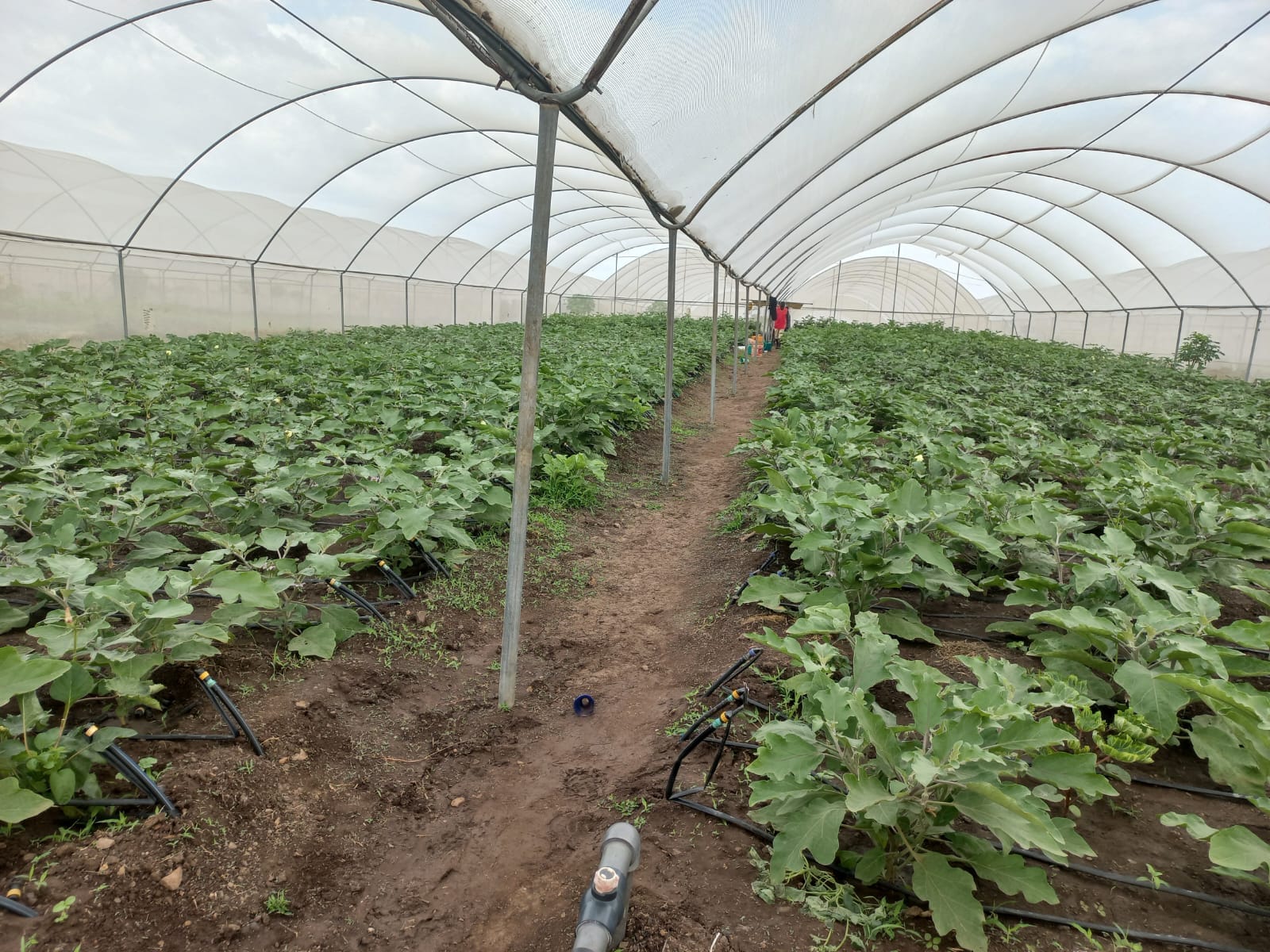
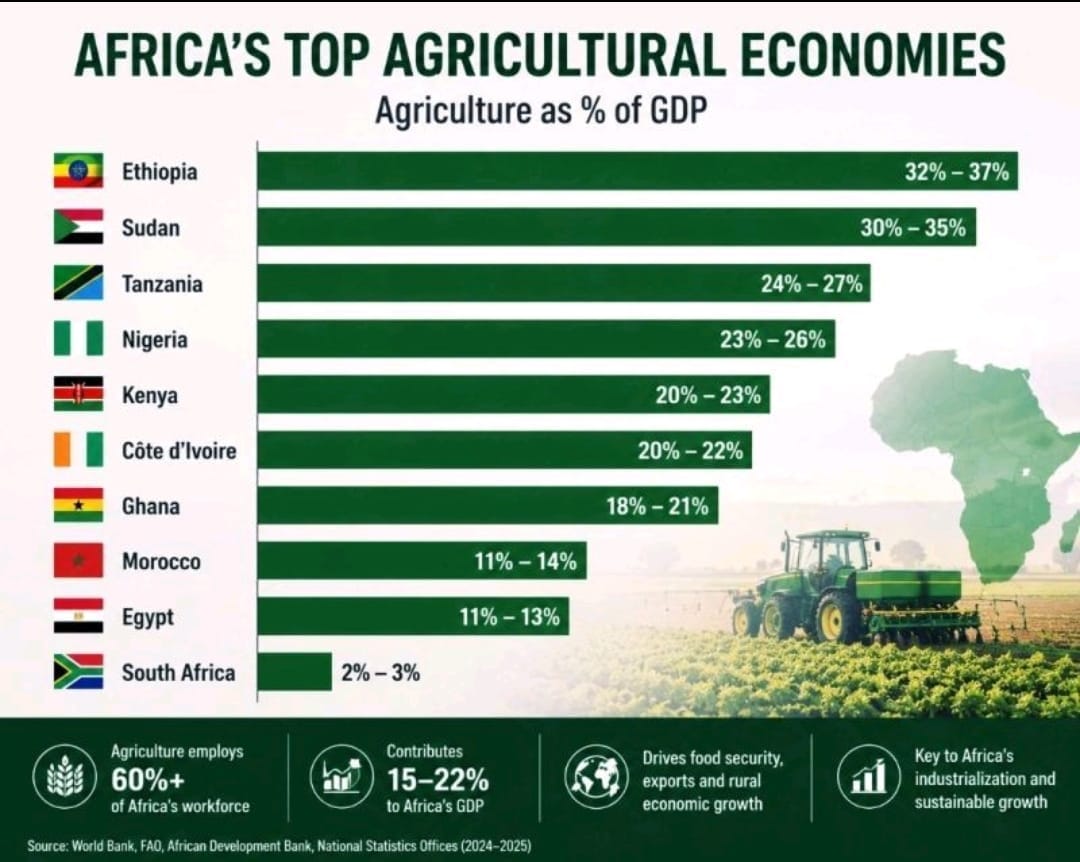
Encouraging progress is already visible across the continent. Ethiopia has expanded wheat production through irrigation and improved farming methods. Nigeria continues to strengthen domestic rice production and processing, while Ghana and Côte d'Ivoire are investing more in cocoa processing to increase export value. Kenya is advancing horticulture, dairy production, digital agriculture, and climate-smart farming technologies that improve productivity and connect farmers to markets.

Technology is also reshaping African agriculture through satellite monitoring, improved seed varieties, precision farming, and mobile advisory services. While challenges such as climate change, inadequate storage, poor transport infrastructure, and limited financing remain, these innovations are helping farmers build greater resilience. The African Continental Free Trade Area presents a historic opportunity to expand trade in locally processed agricultural products across a market of more than 1.4 billion people. By investing in complete agricultural value chains rather than exporting mainly raw commodities, African countries can strengthen food security, create sustainable jobs, and accelerate economic growth.

As governments, financial institutions, and private investors increase their commitment to agriculture, the continent has an opportunity to transform its vast natural resources into lasting prosperity. With sustained investment and innovation, Africa's farms can become the foundation of a more food-secure, resilient, and economically vibrant future. "Africa has the resources to become a global agricultural powerhouse."
"Building stronger local value chains is essential to Africa's future food security."
"Technology is helping farmers increase yields and adapt to climate challenges."
"Investing in complete agricultural value chains can strengthen food security and accelerate economic growth."
Sources: https://www.afdb.org https://www.fao.org https://www.ifpri.org https://au-afcfta.org https://www.worldbank.org
Editor: Joseph James Udoh
WBN Global News Desk
📩 newsdesk@wbnn.news The advantage---
TAG: #Agriculture #Africa #Food Security #Agri Business #Climate Smart #Value Chains #Economic Growth #WBN #Africa Edition #WBN News #WBN News Africa