By: Mapenzi Kaposho Akso | Columnist | WBN NEWS Africa | July 10, 2026
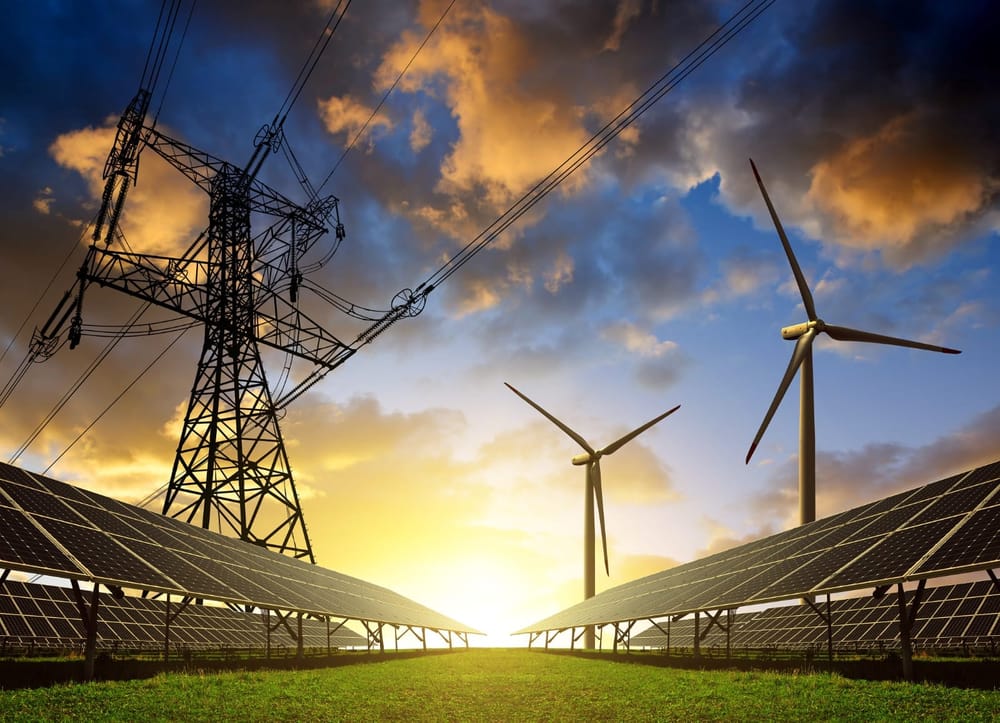
Africa's transition toward renewable energy is accelerating in 2026, bringing fresh momentum to efforts aimed at closing the continent's long-standing electricity access gap. With solar investment rising, off-grid solutions expanding, and governments strengthening clean energy policies, renewable power is becoming a cornerstone of Africa's economic and social development.
Despite this progress, the challenge remains immense. According to the International Energy Agency (IEA), more than 570 million people in Sub-Saharan Africa still live without access to electricity.

While electrification rates continue to improve, rapid population growth and limited grid infrastructure continue to leave many rural and underserved communities without reliable power.

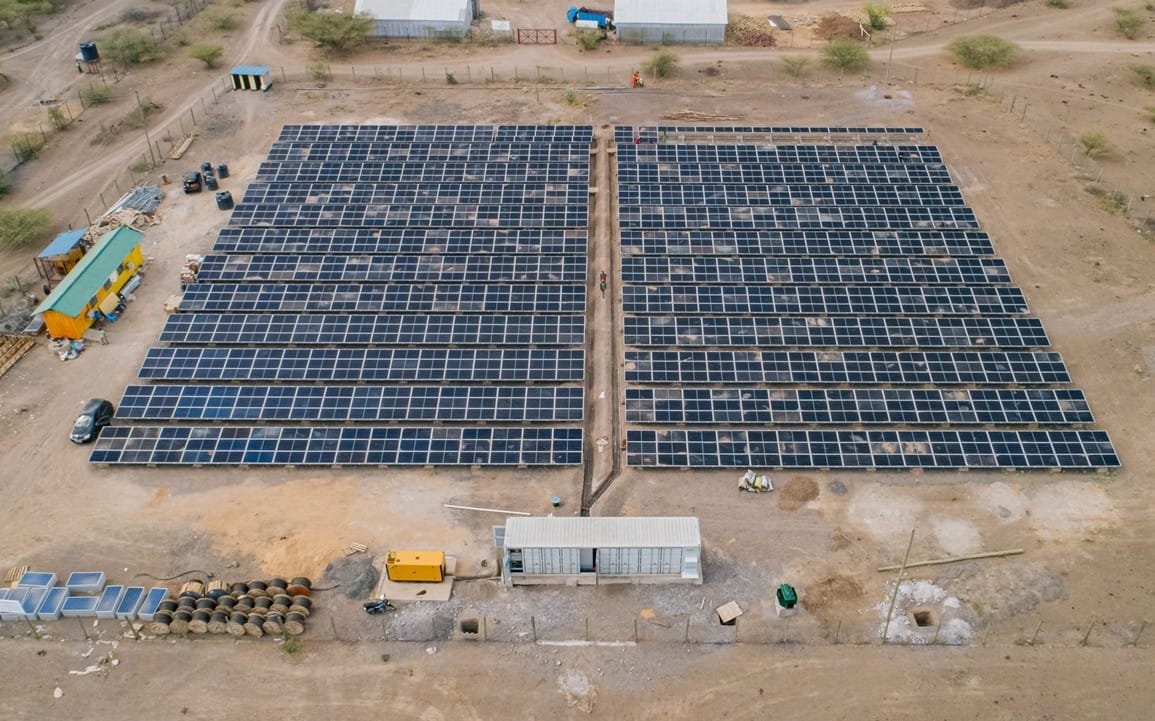
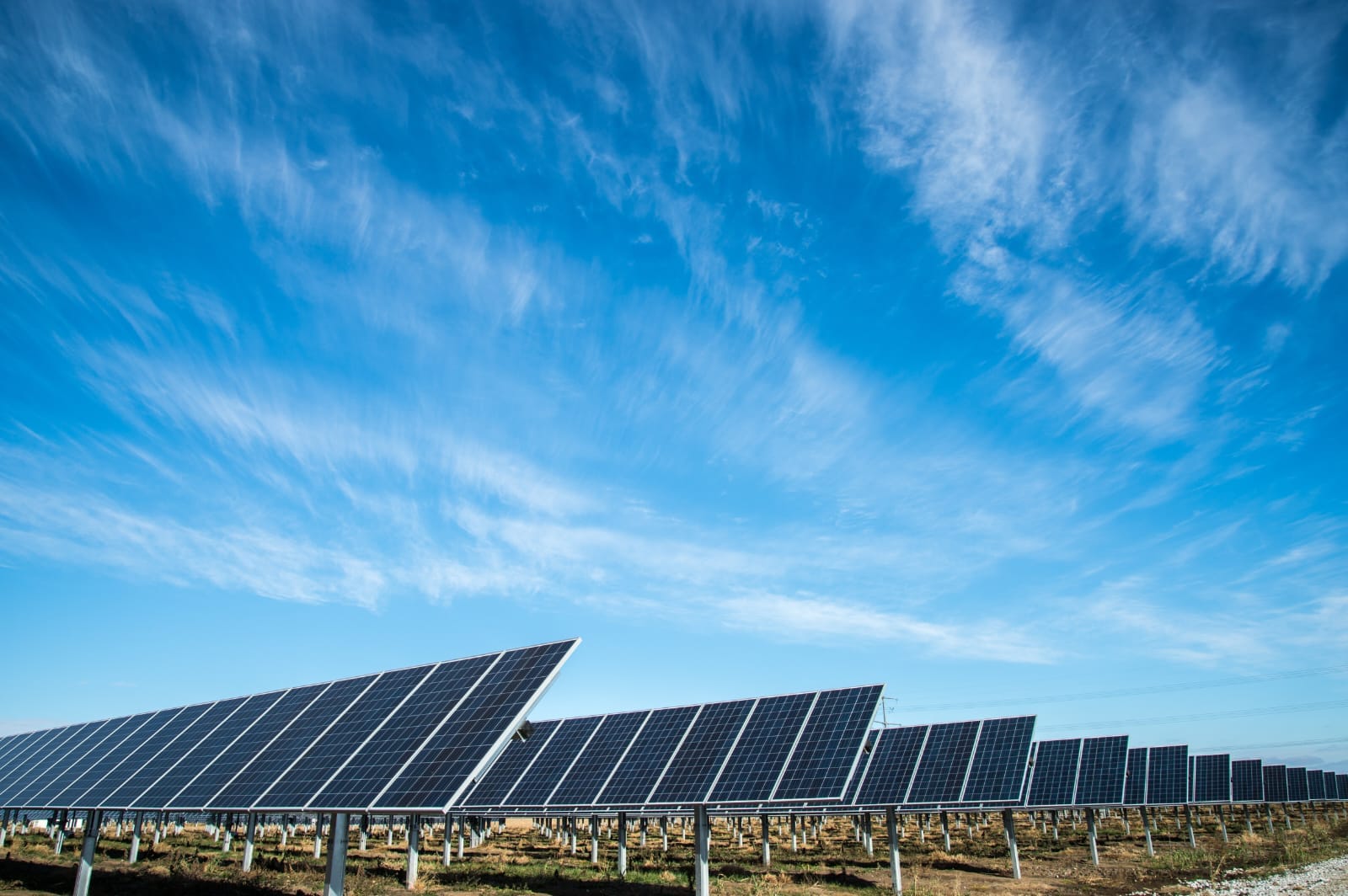
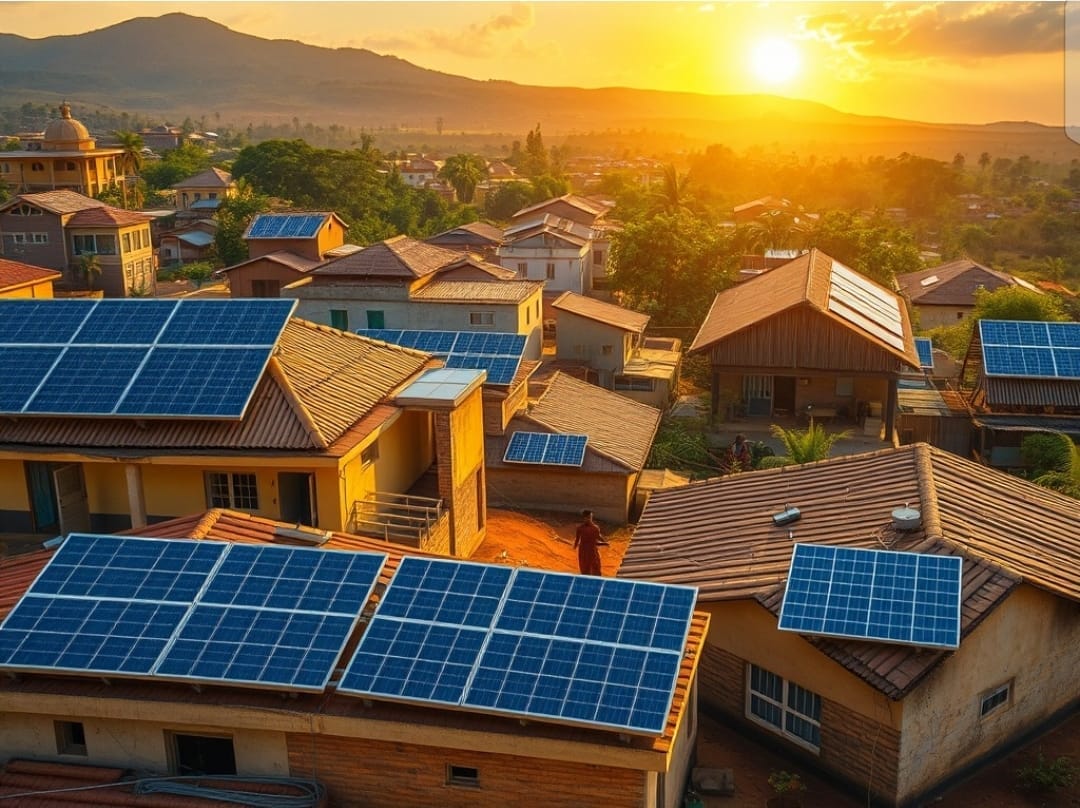
Solar energy is leading the continent's clean energy transformation. Africa added approximately 4.5 gigawatts of new solar capacity in 2025, representing an increase of more than 50 percent compared with the previous year. Large-scale solar projects are advancing across South Africa, Egypt, Morocco, Kenya, Namibia, Zambia, and Nigeria, while rooftop solar systems and mini-grids are bringing electricity to homes, schools, healthcare facilities, and businesses beyond the reach of national grids.

Several nations continue to set the pace. Kenya generates about 90 percent of its electricity from renewable sources, driven largely by geothermal energy. Egypt and Morocco are expanding major solar and wind developments to meet ambitious clean energy goals, while South Africa is attracting growing private investment to reduce its reliance on coal. In Nigeria, increasing numbers of households and businesses are turning to solar power as a dependable alternative to the country's overstretched electricity network.
However, financing remains one of the sector's greatest hurdles. Africa receives less than 3 percent of global clean energy investment despite possessing some of the world's most abundant renewable energy resources. High borrowing costs, inadequate transmission infrastructure, and investment risks continue to slow the pace of project development.

"Solar energy has emerged as the driving force behind Africa's energy transition."
"Off-grid solutions are delivering power directly to homes, schools, health facilities, and businesses beyond national electricity networks."
As governments deepen policy reforms and international partners expand climate financing, Africa's renewable energy future continues to brighten. With sustained investment, stronger regional cooperation, and modern electricity infrastructure, the continent is steadily moving closer to a future where reliable, affordable, and clean energy powers opportunity for every community.
Sources:
https://www.iea.org
https://www.irena.org
https://www.afdb.org
https://www.worldbank.org
https://www.globalsolarcouncil.org
Editor: Joseph James Udoh
WBN Global News Desk
📩 newsdesk@wbnn.news The advantage---
TAG: #Africa #Renewables #Solar #Energy #Climate #Sustainability #Electricity #WBN #Africa Edition #WBN News #WBN News Africa