By: Joseph James Udoh | Columnist | WBN NEWS Africa | November 15, 2026

As healthcare systems around the world face increasing pressure to secure funding, expand research and improve access to medical services, innovative financing models are attracting attention. One emerging possibility is the use of blockchain technology to connect investment with healthcare infrastructure and biomedical innovation.

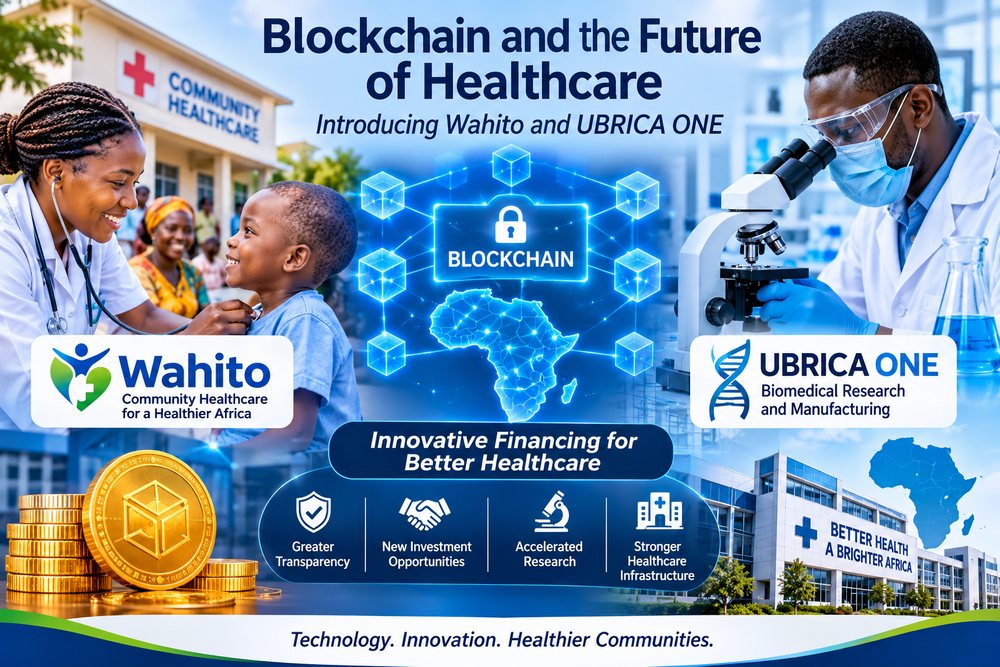
Within Dr. Macharia Waruingi’s broader economic vision, two initiatives, Wahito and UBRICA ONE, represent different aspects of this approach.

Wahito focuses on community healthcare, while UBRICA ONE is associated with biomedical research and manufacturing. Together, they illustrate how technology and new financial structures could potentially support healthcare development.

Blockchain is a digital technology that records transactions in a shared, tamper-resistant system. Its potential applications extend beyond cryptocurrencies. In suitable systems, it can help improve transparency, record-keeping and accountability, making it relevant to discussions about financing large projects.

The concept of real-world asset (RWA) tokenization involves representing rights to certain real-world assets or financial interests through digital tokens on a blockchain. When properly structured and regulated, this approach may create new ways for investors to participate in projects and for institutions to organize funding.

Applied to healthcare, such models could potentially help mobilize capital for medical facilities, research programmes, equipment and manufacturing capacity. Wahito’s community healthcare focus and UBRICA ONE’s biomedical ambitions provide examples of areas where such financing could be explored.

For Africa, the conversation is particularly important. Many communities need stronger healthcare infrastructure, while researchers and innovators require resources to develop solutions to local and global medical challenges. Connecting investment with credible healthcare projects could help address part of this funding gap.

However, blockchain alone cannot solve healthcare challenges. Successful implementation would require strong governance, regulatory compliance, patient-data protection, credible project assessments and transparent reporting. Tokenization must also provide clear legal rights and genuine value rather than simply creating digital tokens.

The significance of this vision lies in exploring how technology can serve human needs. If responsibly developed, blockchain-based financing could create additional opportunities to support medical research, strengthen healthcare infrastructure and encourage institutional investment.

Ultimately, technological progress becomes meaningful when it improves lives. By bringing together healthcare, research and financial innovation, Wahito and UBRICA ONE form part of a wider conversation about building more accessible and sustainable healthcare systems.


Reference:

https://www.linkedin.com/pulse/next-frontier-tokenization-human-vitality-macharia-waruingi-dumyc/


https://www.linkedin.com/pulse/next-billion-dollar-opportunity-rwa-tokenization-isnt-ian-scarffe-rtycf/?utm_source=chatgpt.com

Scan the QR Code below to see the books mentioned in the article
👇🏽👇🏽👇🏽

🖇️ LinkedIn


WBN Global News Desk
📩 newsdesk@wbnn.news The advantage---

TAG: #Macharia Waruingi #Blockchain #Healthcare Innovation #Wahito #UBRICAONE #Tokenization #Medical Research #African Healthcare #Ngarĩ

Share this article
The link has been copied!