Digital Learning Lights the Way for Kakuma Youth
Refugee youth in Kakuma and Kalobeyei are mastering digital skills, yet lack of accreditation and work access limits opportunities. Bridging training with employment can unlock their potential.


Refugee youth in Kakuma and Kalobeyei are mastering digital skills, yet lack of accreditation and work access limits opportunities. Bridging training with employment can unlock their potential.
By: Akso kaposho Mapenzi | Columnist | WBN NEWS Africa | April 6, 2026
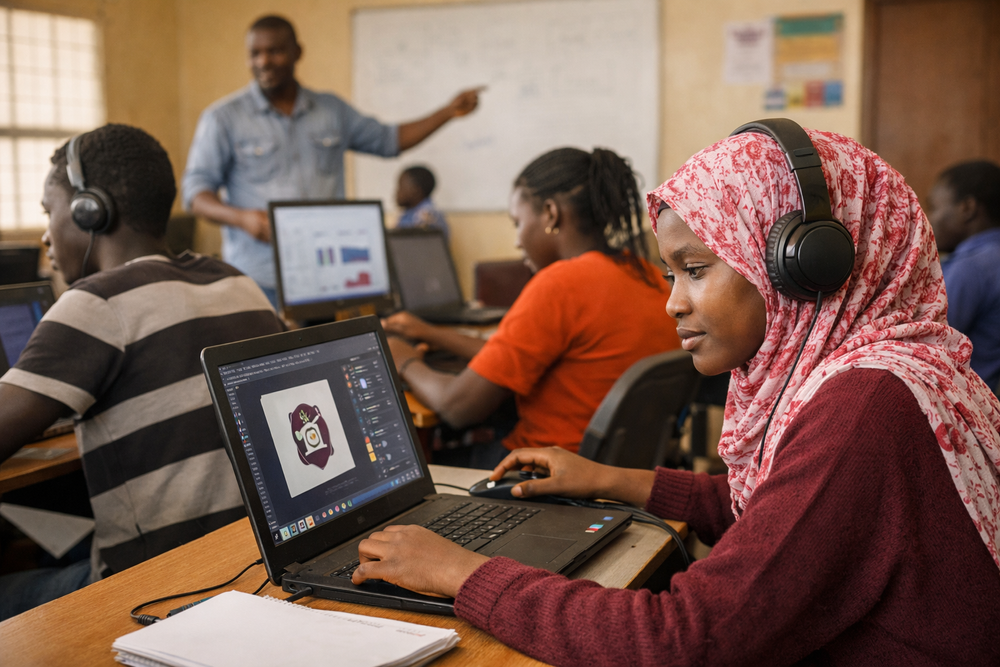
Across Kakuma Refugee Camp and Kalobeyei Settlement in northern Kenya, young refugees are embracing digital learning as a gateway to opportunity. Training in areas such as graphic design, digital marketing, and web development offers hope for economic inclusion in a rapidly digitalizing world.
Yet challenges remain. Many youth complete training without receiving recognized certificates, limiting their competitiveness in both local and global job markets.
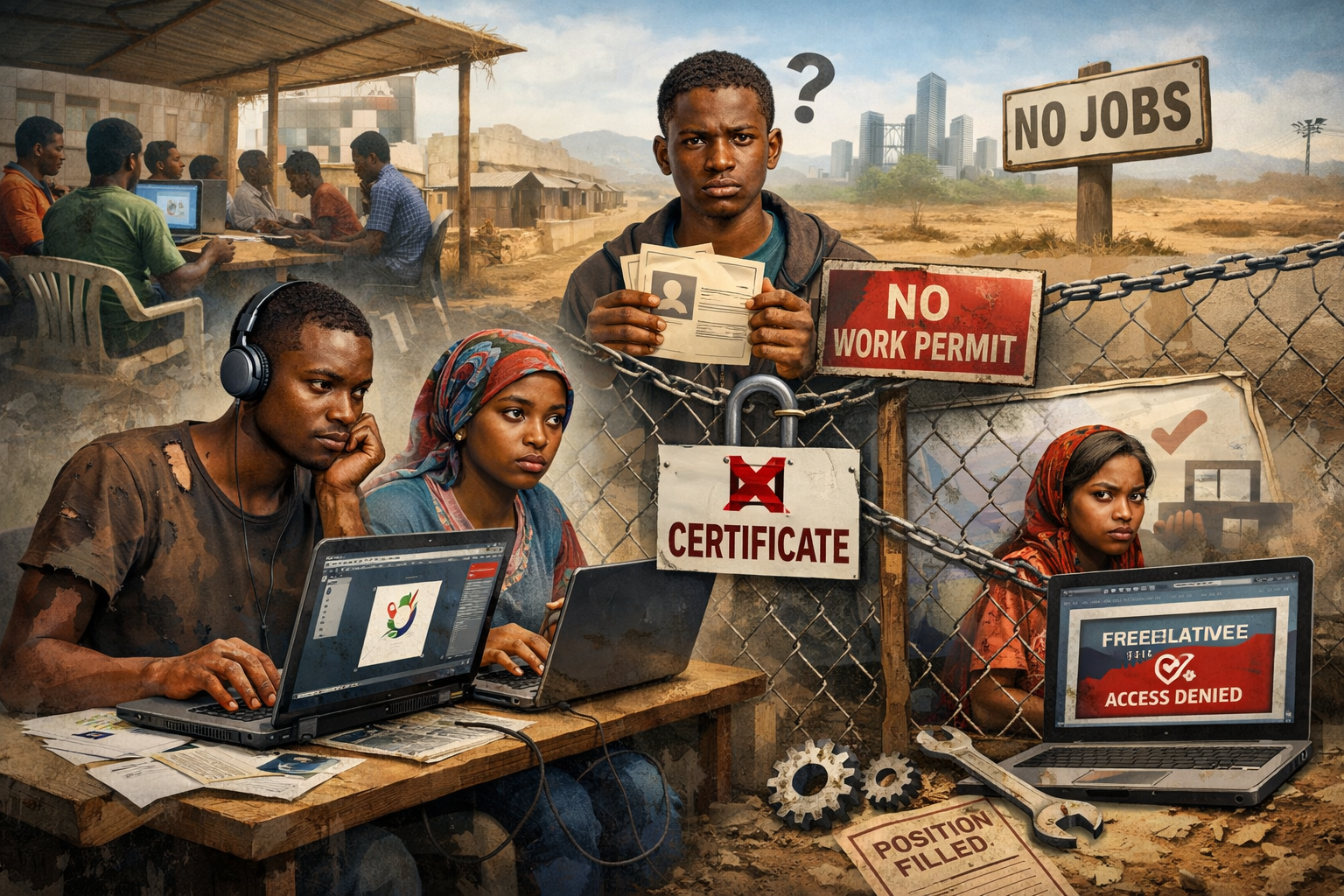
Employers and online platforms often require verifiable credentials, leaving skilled individuals struggling to translate knowledge into income. Documentation and work authorization barriers further constrain access to formal employment and digital freelance platforms.
Despite these hurdles, the determination of these young learners is evident. Training initiatives are equipping refugees with foundational skills, and there is growing recognition that bridging learning with employment is essential. Evidence shows that when programs link participants to real work opportunities, the potential of digital inclusion expands exponentially.
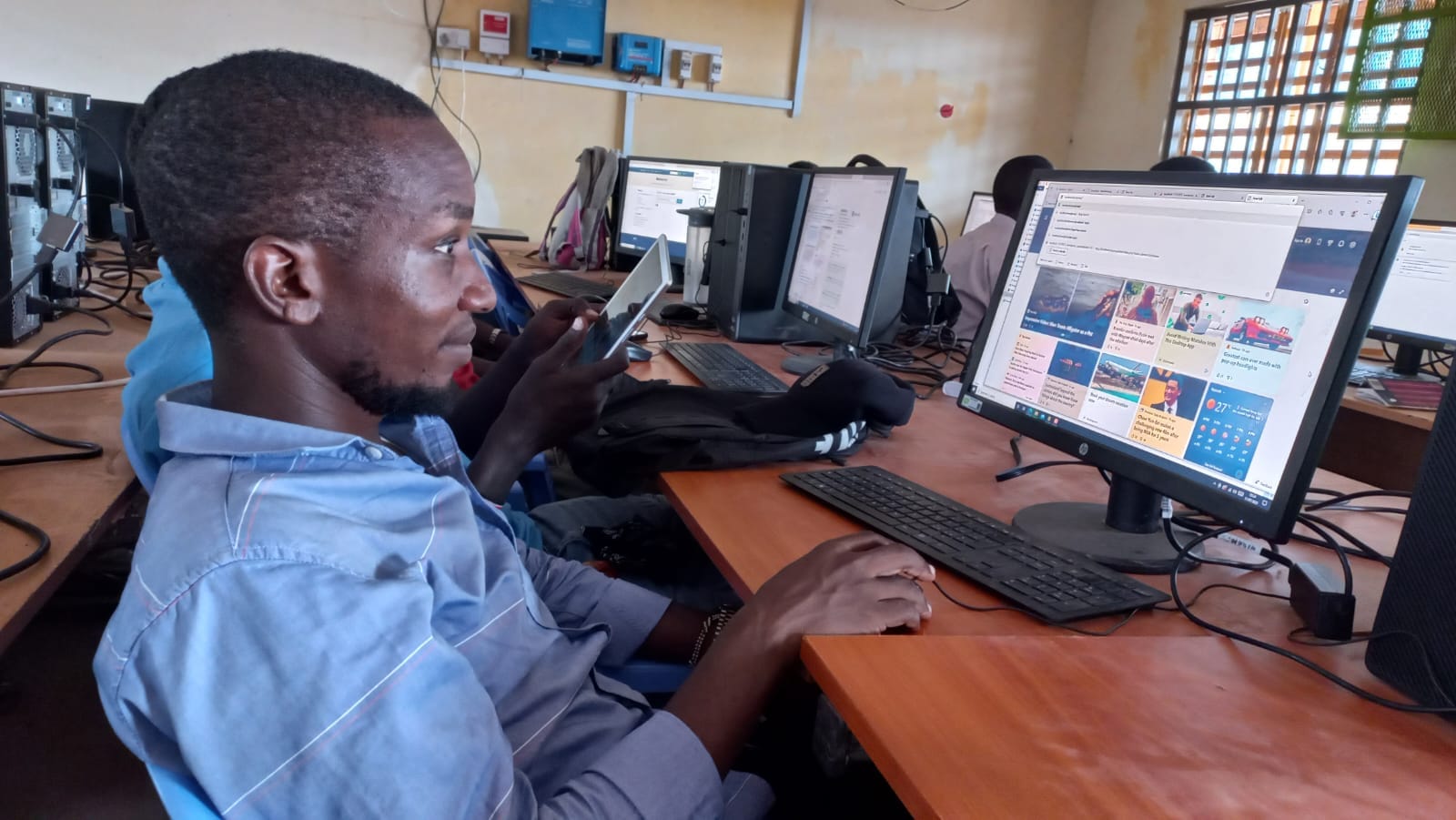
The broader economic context also shapes outcomes, as limited local jobs and resources restrict traditional employment pathways. Digital work, however, represents an alternative route to financial independence and community empowerment. For inclusion to be truly transformative, accredited certification, better documentation frameworks, and stronger employment linkages are needed.
The youth of Kakuma and Kalobeyei are ready to seize the promise of digital transformation. With targeted support, their skills can translate into meaningful livelihoods, demonstrating that resilience and ambition can overcome even systemic barriers.
Editor: Joseph James Udoh
WBN Global News Desk
📩 newsdesk@wbnn.news The advantage---
TAG: #Digital Inclusion #Refugee Youth #Kenya #Skill Development #Economic Opportunity