By: Mapenzi Kaposho Akso | Columnist | WBN NEWS Africa | July 8, 2026
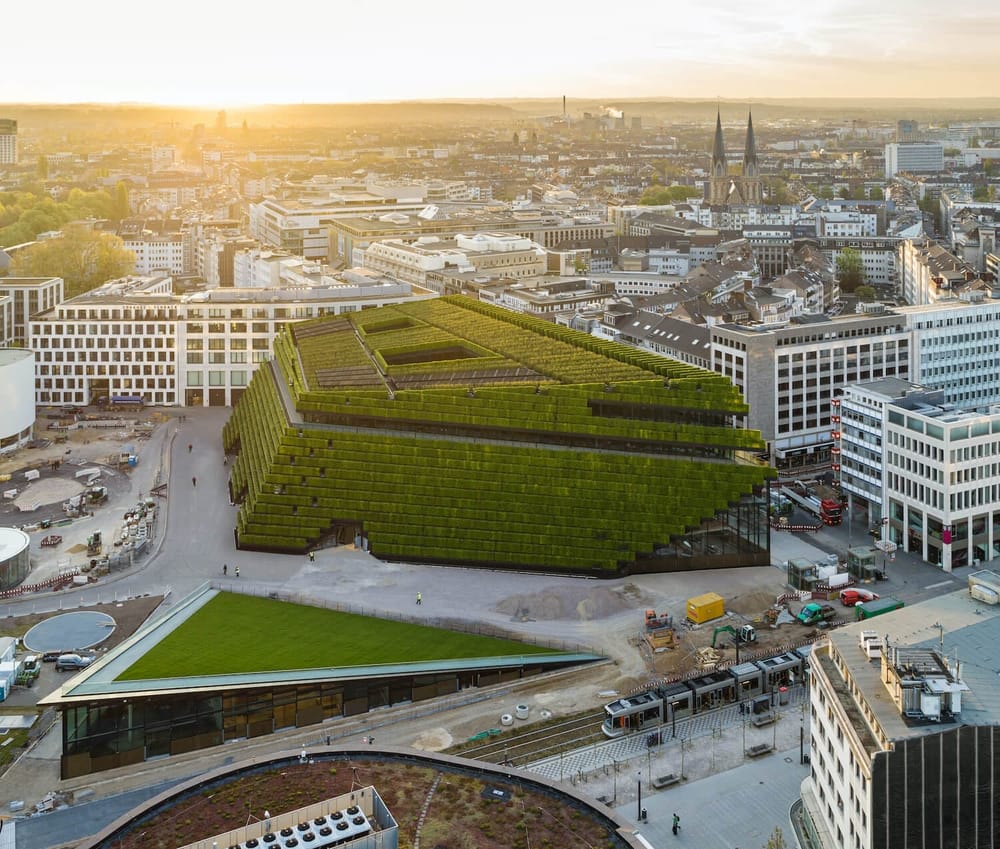
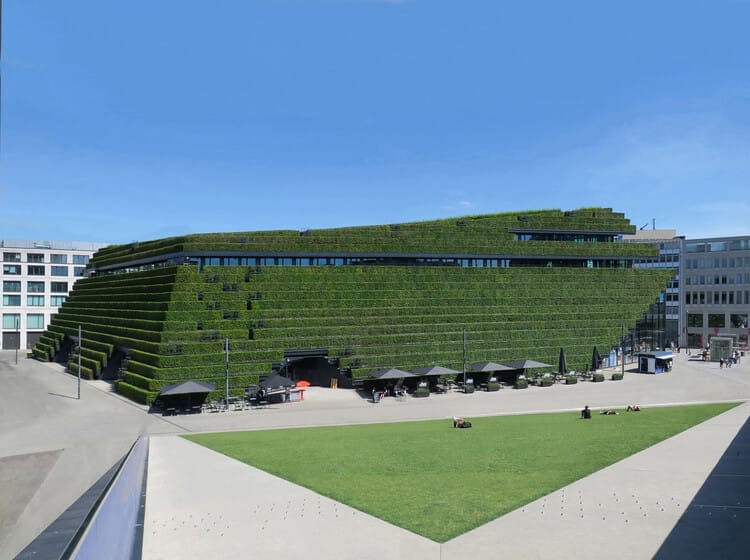
As cities grow larger and busier, researchers in Germany are reimagining how buildings can protect people from one of urban life's most persistent challenges: traffic noise. Instead of relying solely on roadside sound barriers, they are developing innovative balconies and building façades that absorb and redirect noise before it enters homes.
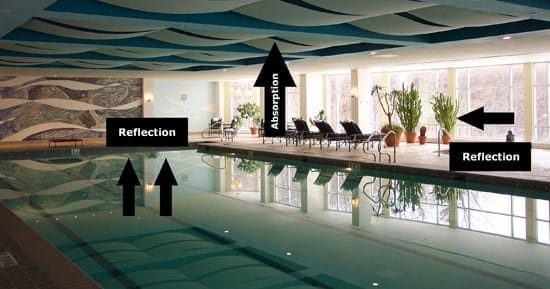
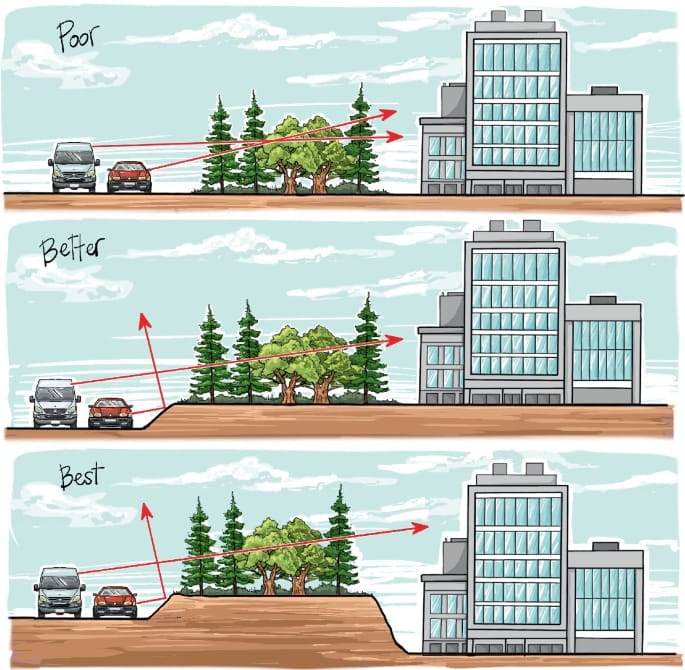
The concept combines specially engineered balcony designs with sound-absorbing materials that reduce the amount of traffic noise reaching apartment windows. Rather than allowing sound waves to bounce directly toward living spaces, the structures weaken or redirect them while preserving natural light and ventilation. The approach transforms residential buildings into an active part of the solution for reducing environmental noise.

The innovation addresses more than everyday comfort. According to the World Health Organization, environmental noise is a significant public health concern that can contribute to sleep disturbance, cardiovascular disease, hearing impairment, reduced work performance, and poorer educational outcomes. The organization recommends keeping bedroom noise below 30 decibels at night to support healthy sleep and classroom noise below 35 decibels to promote effective learning.

Road traffic remains one of the leading sources of environmental noise across Europe. The World Health Organization estimates that around 40 percent of people in European Union countries are exposed to road traffic noise above 55 decibels, while more than 30 percent experience similar levels during the night. Children, older adults, shift workers, people with chronic illnesses, and lower-income communities are among those most affected by prolonged exposure.

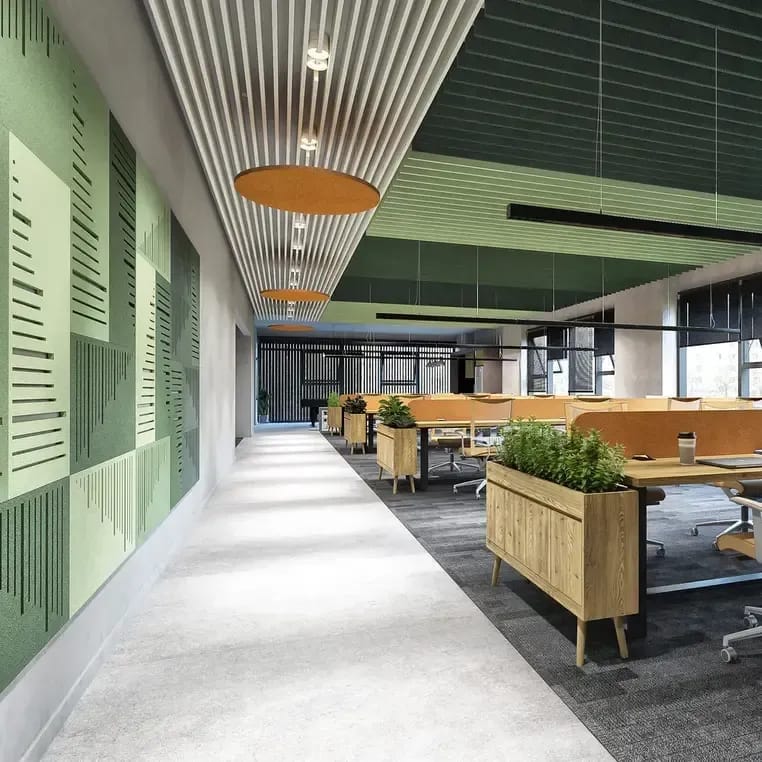
Researchers believe acoustically engineered façades could complement quieter road surfaces, electric vehicles, and green infrastructure as cities work toward healthier and more sustainable environments. By integrating acoustic science into architecture, Germany is demonstrating how future buildings can do more than provide shelter, they can actively improve public health and quality of life.

One of the project's guiding ideas is that
"buildings themselves can become part of the solution" to urban noise pollution. Another key principle is designing structures that "absorb and redirect traffic noise before it reaches apartment interiors."

As architects and engineers continue refining these innovations, the future of city living may become not only greener and more energy-efficient but also quieter, healthier, and more peaceful for generations to come.
Sources:
https://www.who.int/europe/news-room/fact-sheets/item/noise
https://www.ibp.fraunhofer.de/en/projects-references/acoustically-designed-building-facades.html
https://www.sciencedirect.com/science/article/pii/S0360132306003799
https://pubmed.ncbi.nlm.nih.gov/22423707/
Editor: Joseph James Udoh
WBN Global News Desk
📩 newsdesk@wbnn.news The advantage---
TAG: #Germany #Climate #Innovation #Architecture #Health #Noise #Cities #WBN #Africa Edition #WBN News #WBN News Africa