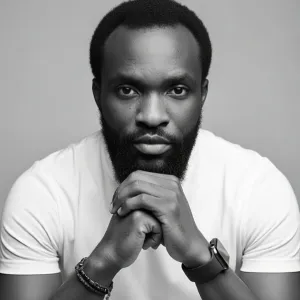
By: Joseph James Udoh | Columnist | WBN NEWS Africa | Oct 22, 2026

Financial independence is often associated with wealth, expensive houses, luxury cars and substantial bank balances. However, across Africa, achieving financial freedom may begin with something much simpler: earning enough to meet essential needs, managing money wisely and building a more secure future.

How much money does a person actually need to become financially independent? There is no universal figure. The answer depends on the country, cost of living, family responsibilities, income sources and personal goals.

In Nigeria, for example, financial independence may mean being able to pay rent, buy food, cover transportation, afford healthcare and support family members without constantly borrowing. For someone in another African country, the financial requirements may differ considerably.

The first step is understanding personal expenses. By tracking monthly spending, individuals can identify unnecessary costs, establish realistic budgets and determine how much they need to earn. Building an emergency fund is equally important. Saving even a small amount consistently can provide protection against unexpected expenses.

According to the World Bank's Global Findex 2025 findings, formal savings among adults in Sub-Saharan Africa increased to 35% in 2024, up 12 percentage points from 2021. This progress highlights growing opportunities to strengthen financial security through accessible financial services and better saving habits.

Experts generally recommend working toward an emergency fund covering three to six months of essential expenses, although the appropriate target depends on individual circumstances. Those with irregular incomes may need a larger financial cushion.

Beyond saving, increasing income is essential. Learning marketable skills, starting small businesses, pursuing remote employment and developing additional income streams can help individuals improve their financial position. However, investments should be approached carefully, with attention to risk, affordability and long-term objectives.

Financial independence also requires discipline. Avoiding unnecessary debt, protecting savings and resisting unrealistic promises of quick wealth can prevent financial setbacks. Community financial education can further empower young people, women, entrepreneurs and families to make informed decisions.

Ultimately, financial freedom is not measured solely by the amount in a bank account. It is reflected in the ability to meet responsibilities, withstand financial emergencies and make meaningful life choices without constant financial fear.

For millions of Africans working toward a better future, the journey can begin with one practical decision: understanding their money and using it intentionally. With consistent effort, financial education and access to opportunity, today's small savings and income-building efforts can become tomorrow's foundation for lasting security and hope.

🖇️ LinkedIn


WBN Global News Desk
đź“© newsdesk@wbnn.news The advantage---

TAG: #Financial Literacy #Financial Freedom #Africa #Smart Saving #Money Management #Wealth Building #Personal Finance #WBN Africa #Africa Edition #WBN Africa News #WBN News Africa #Update #Africa #Joseph James Udoh

Share this article
The link has been copied!