By: Mapenzi Kaposho Akso | Columnist | WBN NEWS Africa | July 20, 2026

Two Kenyan students are proving that powerful climate solutions can begin in the classroom. By combining science with locally available materials, they have developed an innovative vehicle exhaust filter that helps reduce harmful emissions while demonstrating how young people can lead the way toward cleaner and healthier communities.

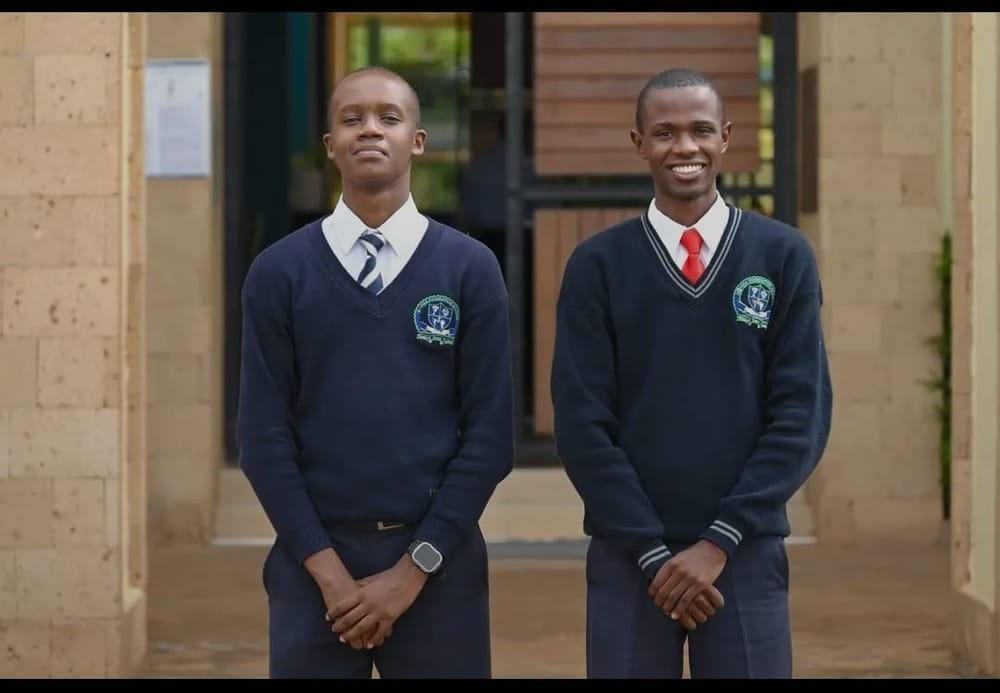
Seventeen-year-old Fredrick Njoroge Kariuki and Miron Onsarigo, students at M-PESA Foundation Academy, created HewaSafi, which means "clean air" in Swahili. Their project addresses one of the world's most urgent environmental challenges by targeting pollution from vehicle exhaust systems, a major contributor to poor air quality in many growing cities.

The HewaSafi filtration system uses affordable materials sourced locally, including maize cobs, coconut shells, recycled battery components, steel mesh, copper, and living spirulina algae. While the filtration layers trap harmful pollutants, the algae help absorb carbon dioxide from vehicle emissions. The result is a practical, low-cost solution designed with sustainability and accessibility in mind.

Pilot tests on public transport vehicles in Nairobi delivered encouraging results. The prototype reduced fine particulate matter, lowered carbon monoxide emissions, and absorbed a portion of carbon dioxide released through vehicle exhaust. The project demonstrates that effective environmental technologies can be built using resources that are readily available within local communities.

The students' remarkable achievement earned them the Africa regional award in The Earth Prize 2026, an international competition celebrating young environmental innovators. Their work has also been highlighted by Net Zero Frontiers through its Young Minds, Big Climate Ideas initiative, further recognizing the growing contribution of African youth to global climate action.

As governments and industries search for cleaner transportation solutions, HewaSafi offers an inspiring reminder that innovation is not limited by age or resources. By transforming agricultural waste into a tool for cleaner air, these young inventors have shown that practical ideas can create meaningful environmental impact while encouraging others to think creatively about solving local challenges.

Their achievement is a testament to the power of education, determination, and community-driven innovation. With continued support for young innovators, projects like HewaSafi have the potential to improve public health, reduce pollution, and inspire a new generation to build a more sustainable future.

"The project demonstrates that effective environmental technologies can be built using resources that are readily available within local communities."

"Innovation is not limited by age or resources."

Sources:
https://theearthprize.org/
https://news.mongabay.com/2026/05/teen-innovators-in-kenya-turn-farm-waste-into-award-winning-vehicle-exhaust-filter/
https://theearthprize.pr.co/265014-the-100k-earth-prize-2026-17-year-olds-from-kenya-named-africa-winners-for-maize-based-vehicle-exhaust-filter/
https://netzerofrontiers.org/

Editor: Joseph James Udoh


WBN Global News Desk
📩 newsdesk@wbnn.news The advantage---

TAG: #Kenya #Climate #Innovation #Youth #Clean Air #Algae #HewaSafi #Green Technology #Sustainable #Transport #WBN #Africa Edition #WBN News #WBN News Africa

Share this article
The link has been copied!