Stop trying to look important and focus on becoming genuinely useful. By solving problems, teaching, supporting others and developing valuable skills, ordinary people can build trust, create opportunities and make a meaningful difference in their families, workplaces and communities.
New entrepreneurs can reduce avoidable problems by understanding their customers, planning finances, defining their market, listening to feedback and adapting when circumstances change.
Executive loneliness may not simply be the price of success. It can reveal how an organization is designed. By creating space for honest disagreement, authentic connection and human wellbeing, organizations can help leaders thrive while building healthier, stronger teams.
Executive loneliness may not simply be the price of success. It can reveal how an organization is designed. By creating space for honest disagreement, authentic connection and human wellbeing, organizations can help leaders thrive while building healthier, stronger teams.
Stop trying to look important and focus on becoming genuinely useful. By solving problems, teaching, supporting others and developing valuable skills, ordinary people can build trust, create opportunities and make a meaningful difference in their families, workplaces and communities.
New entrepreneurs can reduce avoidable problems by understanding their customers, planning finances, defining their market, listening to feedback and adapting when circumstances change.
Starting small allows entrepreneurs to test ideas, understand customers, manage resources and learn before expanding. With purpose, planning and persistence, a modest venture can grow into a business that creates lasting value.
In a world of uncertain markets, investing in yourself is emerging as the most reliable path to growth. Skills, knowledge, and mindset deliver lasting returns, empowering individuals to adapt, thrive, and create opportunities beyond traditional financial investments.
Amy K. Thomson challenges the culture of entrepreneurial burnout, urging leaders to redefine success through “aligned prosperity”, building businesses that create financial growth while protecting freedom, relationships, purpose and the opportunity to experience a fulfilling life.
The success trap occurs when growing companies become too dependent on their founders. By redesigning roles, systems and responsibilities around human strengths, leaders can regain freedom, empower teams and build healthier businesses that create lasting opportunities and impact.
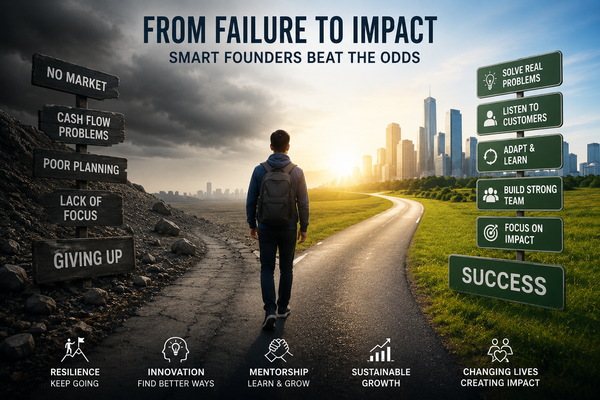
Most startups fail due to poor planning, weak market demand, and rapid scaling. But smart founders are overcoming the odds through resilience, customer-focused innovation, mentorship, and sustainable growth strategies that are creating jobs and transforming lives.