Guava leaves have long been used in traditional wellness practices. They contain plant compounds being studied for antioxidant, digestive, antimicrobial and metabolic properties, while emphasizing the importance of evidence-based medical care.
Pawpaw leaves have a long history of traditional use and contain various plant compounds that scientists continue to study. Research has explored their antioxidant, digestive, immune, inflammatory and platelet-related potential, while emphasizing that stronger human evidence is still needed.
Alligator pepper, a treasured West African spice, is attracting scientific interest for its potential antioxidant, anti-inflammatory, antimicrobial and metabolic benefits. While research remains ongoing, its culinary and cultural importance continues to make it a valuable traditional food.
Alligator pepper, a treasured West African spice, is attracting scientific interest for its potential antioxidant, anti-inflammatory, antimicrobial and metabolic benefits. While research remains ongoing, its culinary and cultural importance continues to make it a valuable traditional food.
Guava leaves have long been used in traditional wellness practices. They contain plant compounds being studied for antioxidant, digestive, antimicrobial and metabolic properties, while emphasizing the importance of evidence-based medical care.
Pawpaw leaves have a long history of traditional use and contain various plant compounds that scientists continue to study. Research has explored their antioxidant, digestive, immune, inflammatory and platelet-related potential, while emphasizing that stronger human evidence is still needed.
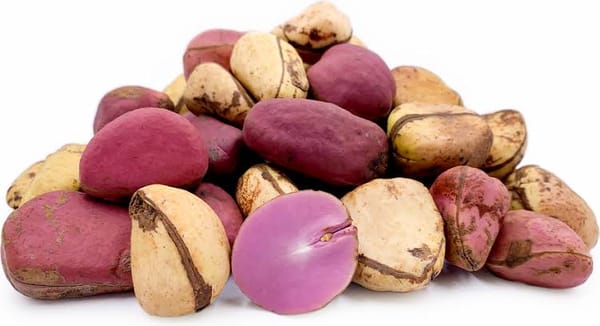
Kola nut has deep roots in West African culture and contains natural caffeine that may temporarily boost alertness and energy. While traditionally associated with male vitality, evidence for effects on testosterone or sexual performance remains limited, making moderation and informed use important.
Orange peel is more than kitchen waste. Rich in dietary fibre, flavonoids and aromatic oils, it can add flavour and useful plant compounds to everyday foods. Proper washing, moderate use and informed choices can turn discarded peel into a practical part of a varied diet.
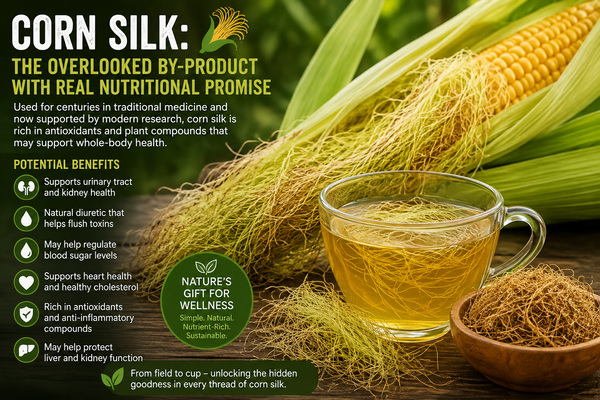
Corn silk, once treated as waste, is now recognized for its antioxidant-rich nutrients and potential benefits for urinary, kidney, heart, and metabolic health, making it a promising sustainable resource.
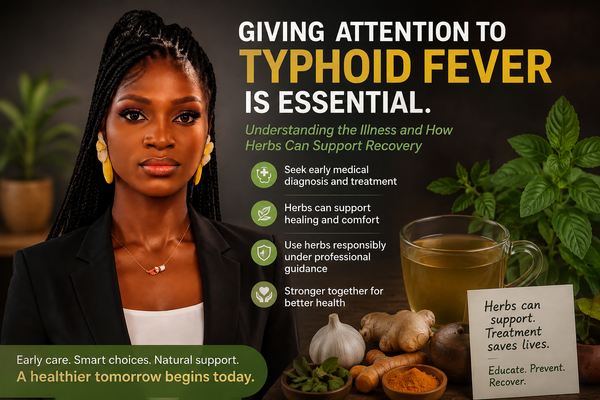
Typhoid fever remains a serious bacterial illness requiring prompt medical diagnosis and antibiotic treatment. Traditional herbs such as tulsi, ginger, garlic, neem, and turmeric may support recovery when used responsibly under professional guidance.
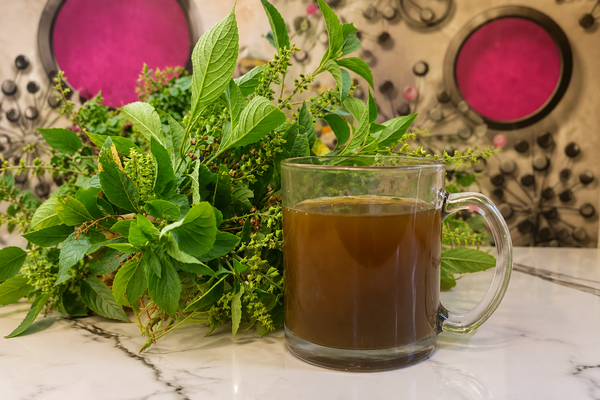
Scent leaf tea, made from Ocimum gratissimum, is gaining renewed attention for its traditional wellness benefits. From digestive support to antioxidant properties, herbal educator Kwemi Morick is promoting responsible herbal education while encouraging healthy lifestyles through quality herbal teas.