By: Keziah Dauda Biya | Columnist | WBN NEWS Africa | May 7, 2026

In the highlands of Ethiopia, among the Gurage people, one of the most powerful expressions of cultural survival happens away from crowds and cameras. Known as Ensosela, this women-led pre-wedding ritual is not merely a celebration before marriage. It is a living tradition that preserves memory, strengthens identity, and binds generations together through shared wisdom.

For centuries, the Gurage community has been recognized for its strong communal values, agricultural heritage, and deep respect for family lineage. Within this society, marriage has always represented more than the union of two individuals. It is the joining of histories, responsibilities, and community ties. The Ensosela ritual plays a central role in preparing young women for that transition.

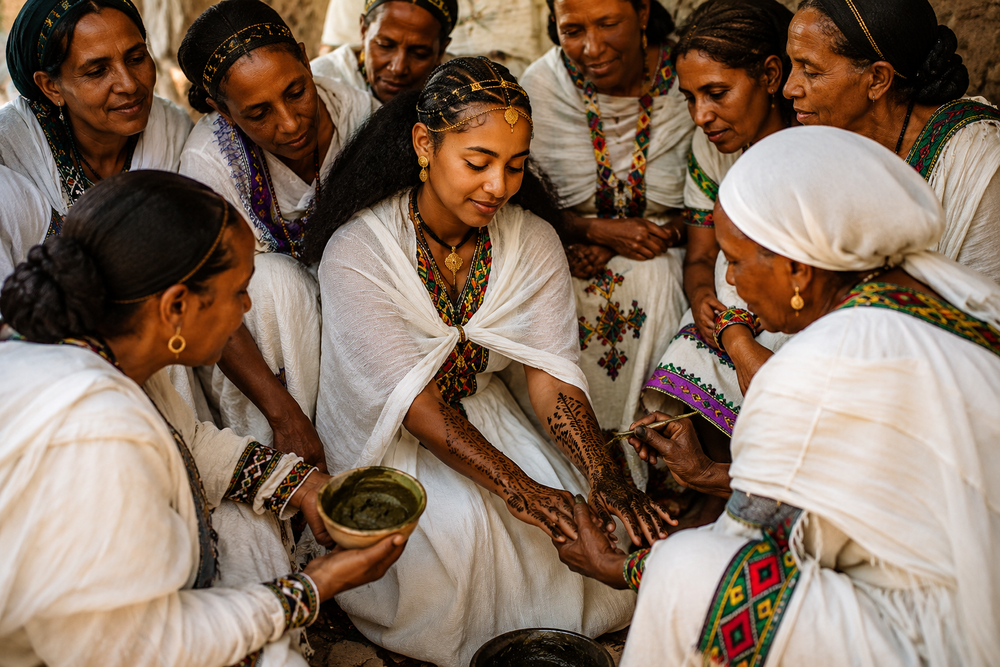
Historically, the ceremony served as a form of oral instruction where elders passed down family histories, cultural expectations, and lessons about community life. In a culture where storytelling and memory remain essential, Ensosela became a living archive maintained through songs, conversation, and shared rituals.

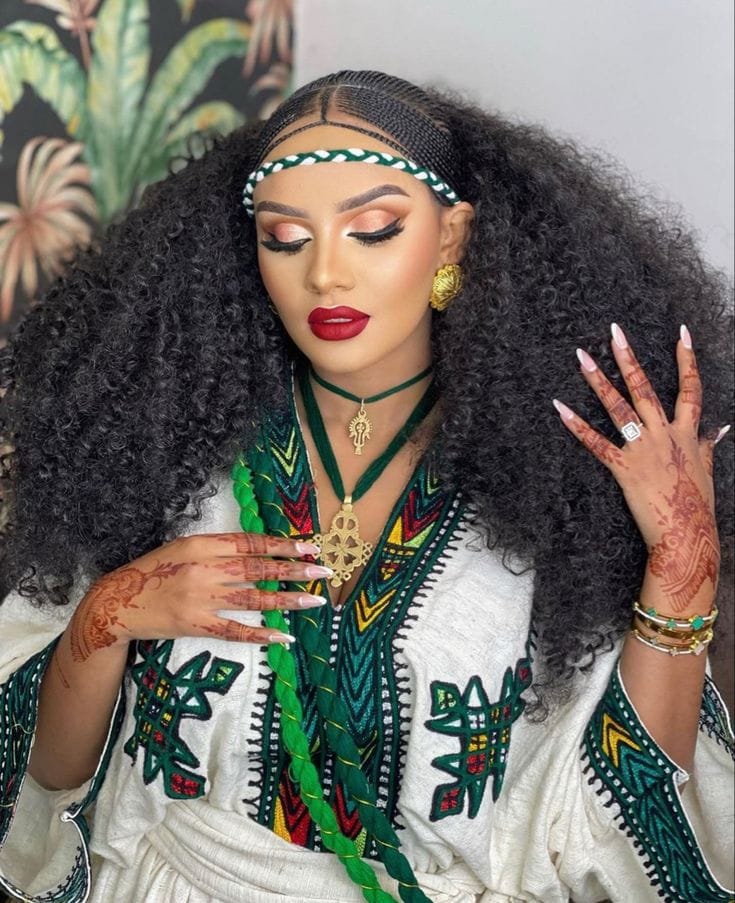
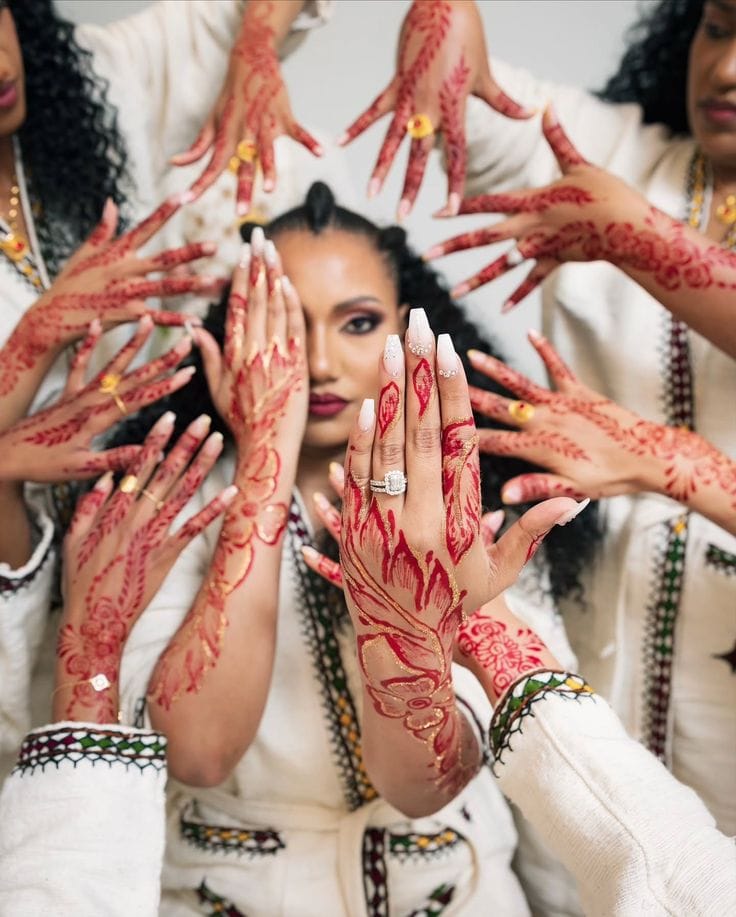
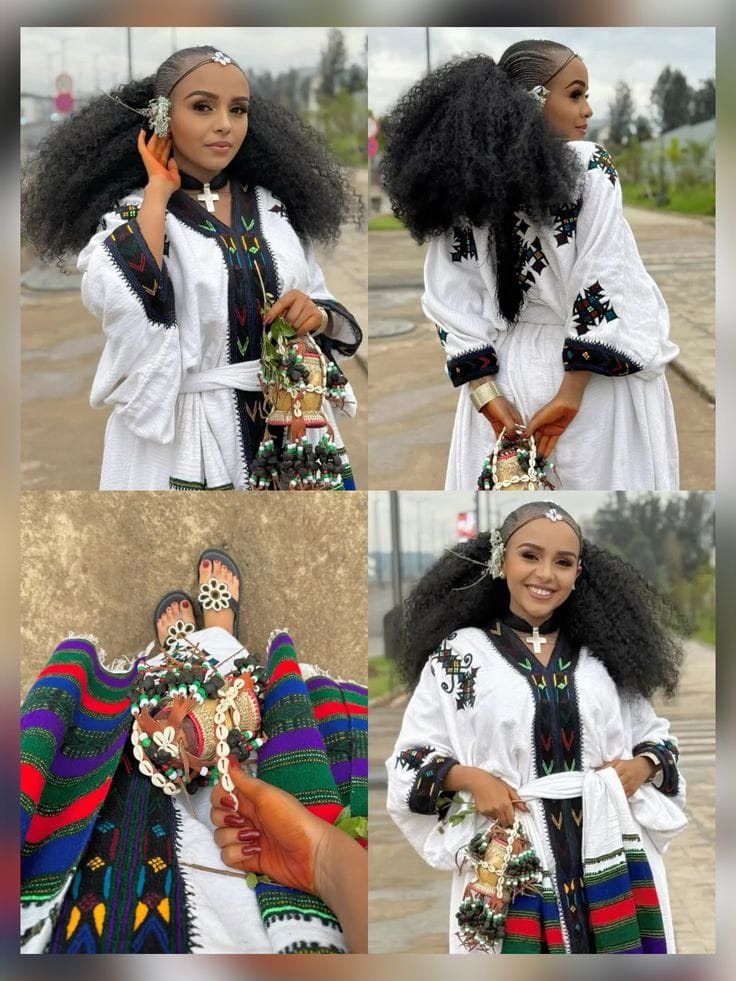
The clothing worn during the ceremony also carries powerful meaning. Women often wear the traditional Habesha Kemis, a white handwoven dress symbolizing purity and renewal. The colorful Tibeb embroidery stitched along the edges reflects regional and family identity, while the Netela shawl signifies humility and respect toward elders. Henna, from which the ritual takes its name, marks the bride’s hands and feet as a visible sign of transformation and belonging.

Beyond tradition, Ensosela has become a symbol of resilience in a rapidly modernizing world. As digital culture reshapes societies across Africa, the Gurage women continue to preserve knowledge through direct human connection rather than written records or online archives. The preparation of traditional foods, crafts, and ceremonial gatherings also reinforces economic solidarity among women and families.

One of the most striking messages within the ritual is that identity is something to be protected, practiced, and passed on. By continuing the Ensosela tradition, Gurage women are ensuring that future generations inherit not only customs, but also a sense of belonging and collective strength.

Hand Design Styles made with Ensosilla and Henna are categorized into: 1.Traditional Ensosilla Style, and 2. Modern and Henna Art

The Ensosela reminds the world that while ceremonies may last a day, the values they preserve can sustain a people for generations. In the quiet rhythm of songs, shared labor, and ancestral memory, the Gurage community continues to protect the soul of its history with hope for the future.

“The Ensosela ritual is a living archive maintained through songs, conversation, and shared rituals.”
“Identity is something to be protected, practiced, and passed on.”
“The Gurage community continues to protect the soul of its history with hope for the future.”
“The values they preserve can sustain a people for generations.”

NOTE: Not only in Gurage people. Especially Tigray and Amhara and also other tribes in Ethiopia practice it as well.

Editor: Joseph James Udoh

WBN Global News Desk 📩 newsdesk@wbnn.news The advantage— TAG: #Africa #Beauty #Gurage #Ethiopia #Ensosela #Tradition #Heritage #Resilience #Culture #Keziah Dauda Biya

Share this article
The link has been copied!