By: Mapenzi Kaposho Akso | Columnist | WBN NEWS Africa | May 7, 2026
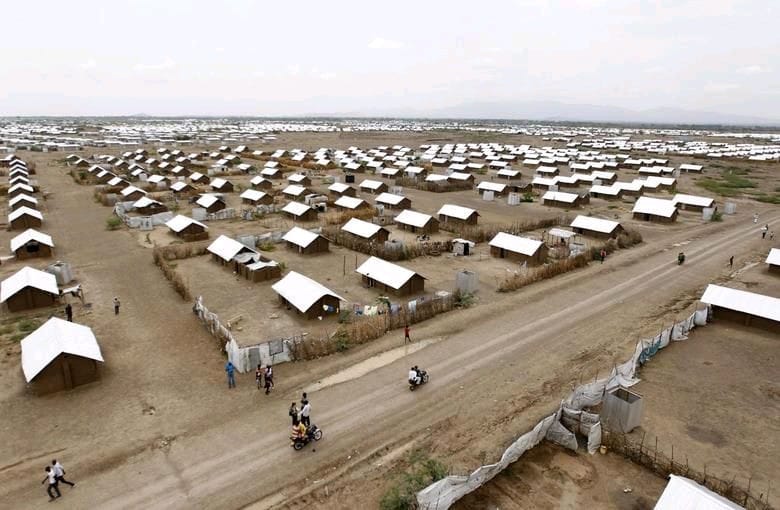
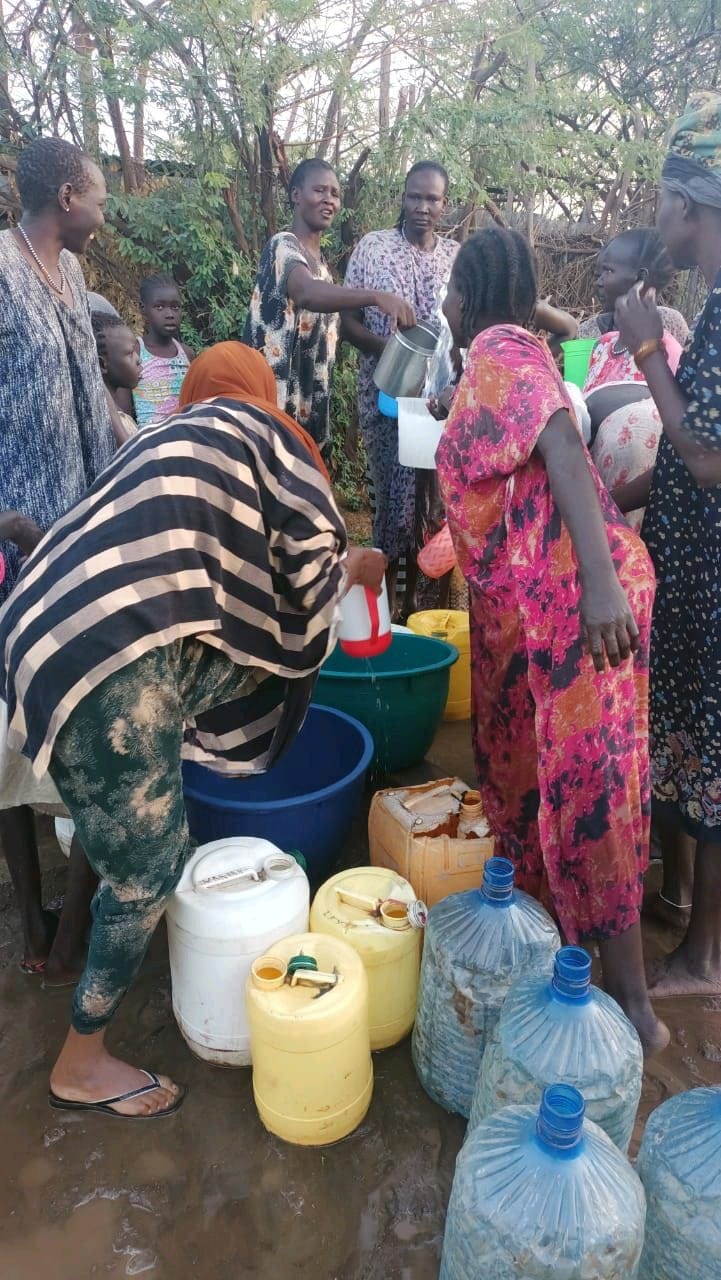
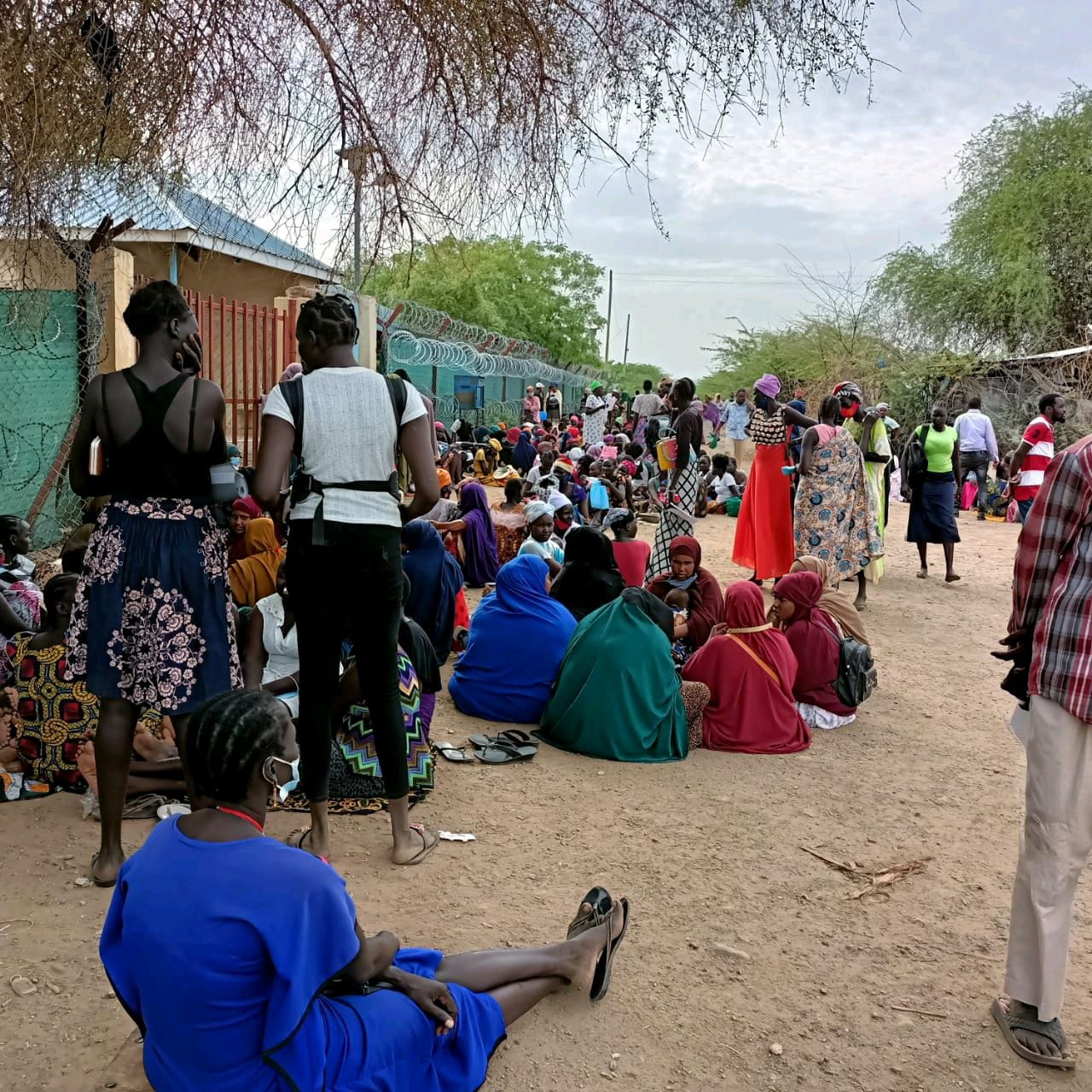
The economies of Kakuma Refugee Camp and Kalobeyei Refugee Settlement are built on a mix of humanitarian support, informal trade, and small-scale enterprise. Cash-based assistance has become central to daily transactions, sustaining both households and local markets.

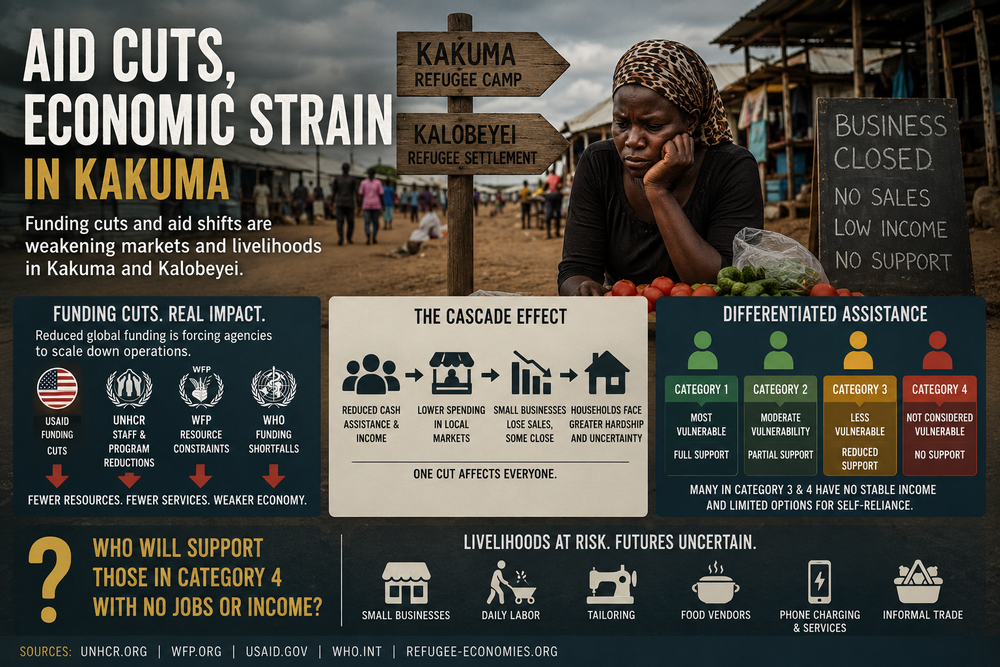
Recent changes in assistance delivery have introduced a categorization system that groups households by perceived vulnerability. While intended to prioritize limited resources, this approach has reduced or removed support for households in Categories 3 and 4. Many of these households do not have stable income sources, and opportunities for formal employment remain limited.

At the same time, broader funding constraints are affecting humanitarian operations. Global financial pressures have led to reduced contributions from major donors, including cuts linked to funding from the United States Agency for International Development. As a result, several international and local organizations have scaled down activities. The United Nations High Commissioner for Refugees has also adjusted its workforce in some operations, with reports indicating significant reductions in staff contracts. Other agencies, including the World Health Organization, have experienced funding shortfalls that affect program delivery.

These changes have direct economic consequences. Incentive workers and contracted staff play an important role in supporting services and local spending. When contracts are terminated or incentives reduced, household income declines. This limits purchasing power and reduces demand across local markets.
Small businesses, which depend on consistent cash flow, are already experiencing lower sales and slower turnover. Some shops have closed as a result of reduced customer spending. The local economy functions as a connected system, and when income decreases for one group, the impact spreads across traders, service providers, and households.

The expectation that Category 3 and 4 households can achieve self-reliance does not fully reflect current economic conditions. Limited access to capital, restricted mobility, and a narrow range of livelihood opportunities continue to constrain income generation.

These developments highlight the need to consider both household vulnerability and broader market stability when designing assistance models. Who is going to support those in Category 4 who do not have jobs or income-generating activities?
Editor: Joseph James Udoh
Sources:
https://www.unhcr.org
https://www.wfp.org
https://www.usaid.gov
https://www.who.int
https://www.refugee-economies.org
WBN Global News Desk
đź“© newsdesk@wbnn.news The advantage---
TAG: #Africa #Refugee Economy #Humanitarian Aid #Kakuma Kenya #Kalobeyei Settlement #Funding Cuts #Livelihoods #Cash Assistance