By: Kabera Moses Bahati | Columnist | WBN NEWS Africa | May 13, 2026
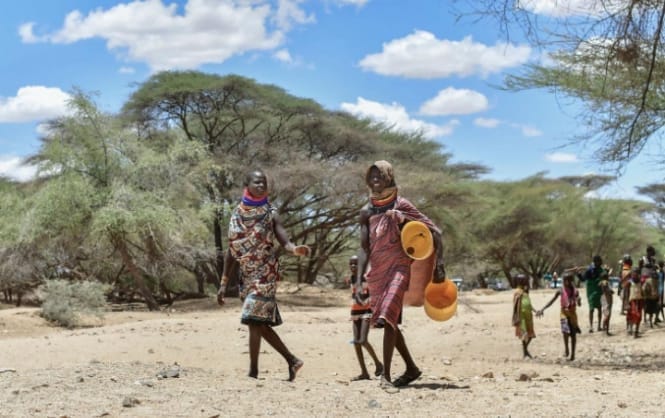
In Turkana West, a remote region in northern , climate change is deepening hardship for both displaced families and local communities already struggling to survive under harsh environmental conditions. Rising temperatures, prolonged droughts, destructive floods, and worsening environmental degradation are placing enormous pressure on livelihoods, food security, and access to basic services.
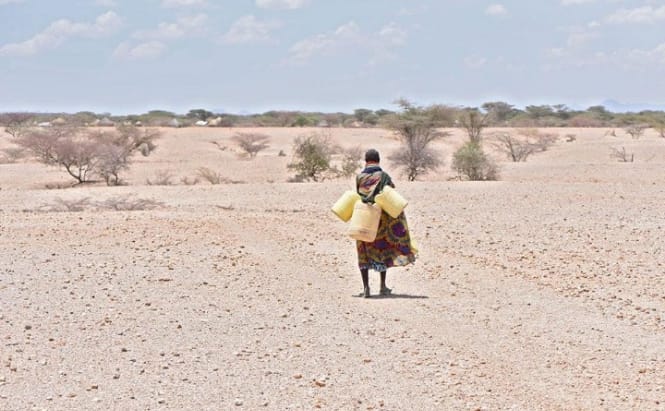
Temperatures in parts of Turkana West can soar above 40 degrees Celsius, scorching farmland, drying water sources, and stripping the land of vegetation essential for pastoralist communities. Livestock, which remain central to income, nutrition, and cultural identity, are dying as grazing land and water continue to disappear. Women and children are often forced to travel long distances in search of water, while dust storms sweep through homes and refugee shelters, worsening respiratory and other health challenges.
When rainfall finally arrives, it often comes with devastating intensity. Floodwaters tear through refugee settlements and nearby villages, destroying homes built with iron sheets and thatched materials, washing away food supplies, and cutting off roads. Schools close, markets slow down, and health clinics struggle to respond to growing cases of hunger, dehydration, fever, and waterborne illnesses.
Environmental pressure is also increasing tension among vulnerable populations. Shrubs and trees are being heavily cut for cooking fuel, accelerating deforestation and soil erosion. As droughts grow longer and resources become scarcer, competition over water, grazing land, and livelihoods continues to rise.

Yet amid the crisis, resilience remains visible across Turkana West. Community-led support systems continue to help families survive difficult conditions. Women organize “Let Me Go Round” contribution groups to share food, water, and essential supplies. Young people are also pursuing reskilling and digital training opportunities despite limited access to resources, with support from humanitarian organizations such as Lets Make The Difference.
“Local solutions are emerging as critical tools for survival and adaptation.”
“Women and youth should be trained and empowered increasingly leading participation about how communities respond to climate threats.”
Communities are now promoting rainwater harvesting, solar-powered water systems, reforestation, climate-resilient housing, and early flood warning systems. The crisis in Turkana West highlights a painful global reality: those contributing least to climate change often suffer its harshest consequences. Still, hope remains alive through local resilience, humanitarian action, and growing calls for climate justice. With stronger international support and meaningful partnerships, communities in Turkana West can move beyond survival toward a more secure and sustainable future.
Editor: Joseph James Udoh
WBN Global News Desk
📩 newsdesk@wbnn.news The advantage---
TAG: #Climate #Kenya #Refugees #Africa #Turkana #Drought #Floods #Humanitarian #WBN #Africa Edition